
Character Development Through Dojo Routines
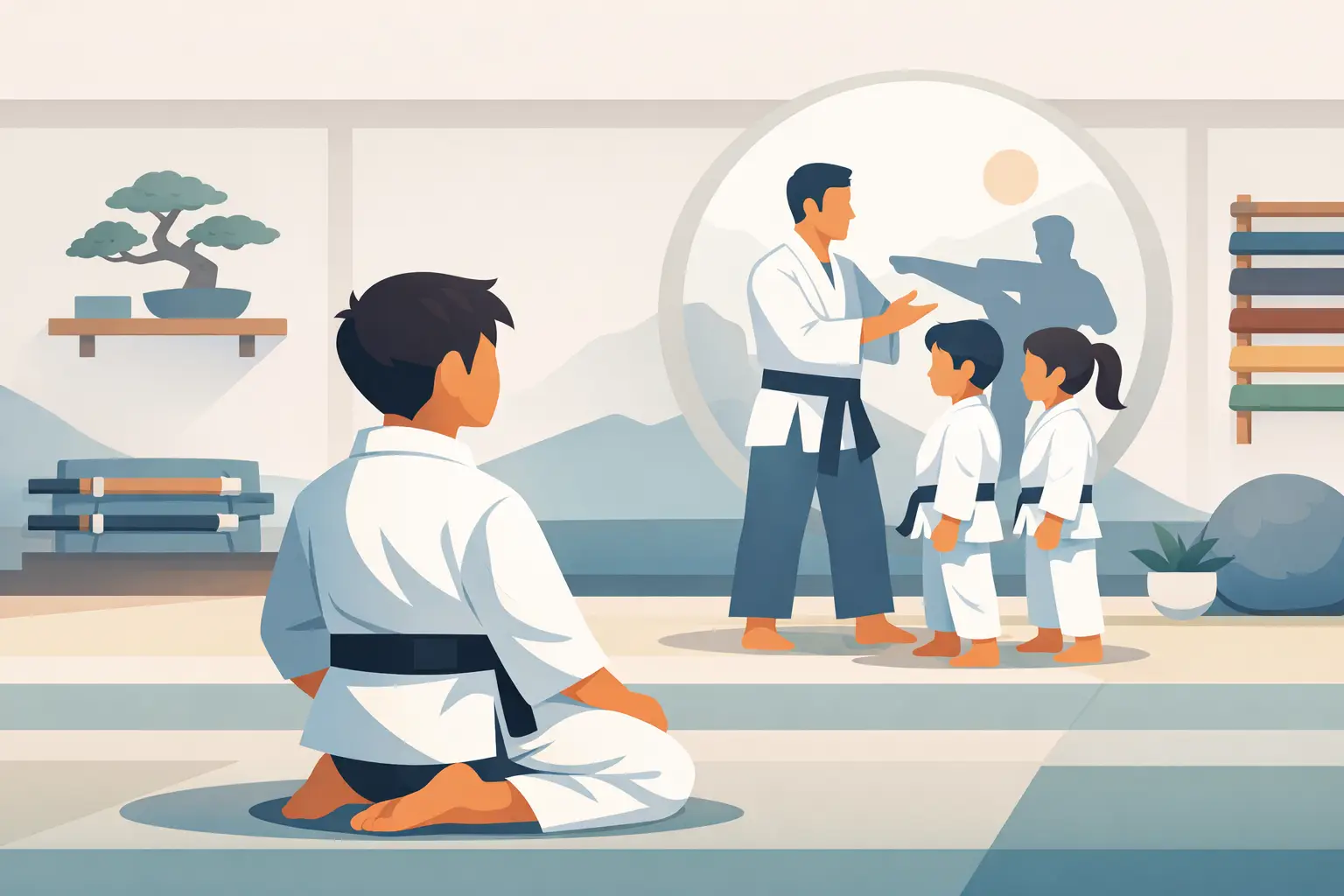
A child stands at attention before class starts. They straighten their uniform, quiet their voice, and wait for instruction. It may look like a small moment, but it is where meaningful habits begin. Character development through dojo routines is not a speech given at the end of class. It is built through the repeated choices students make from the moment they step onto the mat.
At Japanese Martial Arts Academy, routines give students a dependable structure for building confidence, discipline, and self-control. Children learn that effort matters even when a technique is difficult. Teens learn how to carry themselves with composure under pressure. Adults rediscover the value of focused practice in a busy, screen-heavy life.
Why Dojo Routines Build Character
A dojo routine creates clear expectations. Students bow when entering the training area, line up with purpose, listen when an instructor speaks, practice safely with partners, and finish what they start. None of these actions require extraordinary talent. They require attention and consistency.
That consistency is the point. Character is rarely formed by one big achievement. It is strengthened when a student chooses respect over distraction, patience over frustration, and steady effort over quitting. A student who learns to reset their stance after a mistake is practicing more than martial arts. They are practicing how to respond when life does not go as planned.
For parents, this structure can be especially valuable. Home and school both have rules, but martial arts gives children a physical, active setting in which to experience the results of following directions. When students focus during instruction, they improve. When they work carelessly, their technique shows it. The feedback is immediate, constructive, and easy to understand.
The Routines That Matter Most
The best dojo routines are simple enough to repeat every class and meaningful enough to carry beyond the training floor. They teach students how to manage themselves around other people, challenges, and responsibilities.
Showing Respect Before Training Begins
Respect in martial arts is active. It means arriving prepared, acknowledging instructors and training partners, and treating the dojo as a place worthy of care. Bowing is not empty ceremony. It is a pause that reminds students to leave distractions behind and enter class ready to learn.
For younger children, this can translate into better listening and more awareness of how their behavior affects others. For teens, it reinforces mature habits at an age when independence is growing. Adults often find that this small transition into class helps them set aside work stress and be fully present.
Respect also includes safety. Students learn to control their movements, use appropriate force, and protect their partners during drills. Real confidence never requires reckless behavior. A well-run martial arts class teaches students that strength and responsibility belong together.
Listening, Repeating, and Improving
Martial arts training asks students to listen carefully, attempt a skill, receive correction, and try again. That cycle may repeat dozens of times in a single class. It is one of the most practical ways to develop coachability.
Some students want to move fast. Others hesitate because they fear doing something wrong. The dojo meets both challenges with the same answer: pay attention, practice the next step, and keep going. Over time, students understand that correction is not criticism of who they are. It is guidance that helps them improve.
This mindset has value far beyond karate, jujutsu, wrestling, or weapons training. A child who can accept feedback without shutting down is better prepared for school. A teen who can practice through discomfort is better prepared for competition, work, and leadership. An adult who returns to a difficult skill with patience builds resilience that supports everyday goals.
Taking Responsibility for Small Details
A uniform folded neatly, a belt tied correctly, a water bottle brought to class, and a prompt arrival all seem minor. Together, they teach ownership. Students learn that preparation is part of performance.
This is where families can reinforce dojo habits without turning home into another class. Ask your child to pack their training bag before leaving. Let them be responsible for placing their uniform where it can be found. Notice the effort when they prepare without being reminded. These small responsibilities help martial arts lessons become daily habits.
The goal is not perfection. Young students will forget things, get distracted, and occasionally struggle to follow directions. What matters is the expectation to correct the mistake and return ready next time. That is accountability in a form children can understand.
Character Development Through Dojo Routines at Every Age
The routine stays consistent, but the lesson changes as students mature. That is why martial arts can serve a family across different stages of life.
Children Learn Self-Control Through Action
Children do not build self-control by being told to “behave” over and over. They build it by practicing specific actions: standing still in line, waiting for a turn, keeping hands and feet to themselves, and stopping immediately when an instructor calls for attention.
These skills take repetition. A high-energy child may need more reminders at first, and that is normal. The right environment gives them a positive outlet for energy while holding a clear standard for conduct. They get to move, sweat, and challenge themselves, but they also learn when to slow down and focus.
As their skills improve, children begin to see themselves differently. They are not just “the kid who cannot sit still.” They become a student who can remember a form, earn progress, and help a newer classmate. That identity shift can build lasting confidence.
Teens Build Composure and Leadership
Teenagers face pressure from school, friendships, sports, and constant digital noise. The dojo provides a place where effort is visible and progress is earned. A student cannot scroll their way to a stronger stance or a better takedown. They must show up and train.
Routine gives teens a productive standard to measure themselves against. They learn to manage frustration after a missed technique, stay respectful during competitive drills, and lead by example as they gain experience. These are leadership skills, not just martial arts skills.
For some teens, the value is confidence. For others, it is belonging. A supportive dojo community offers both: a place to work hard as an individual and a team that expects them to contribute positively.
Adults Rebuild Discipline in a Busy Schedule
Adults often begin martial arts for fitness or practical self-defense, then discover that routine is one of the greatest benefits. Training at a scheduled time creates a commitment that competes with the couch, the inbox, and the endless list of errands.
The discipline of class does not make life less busy. It helps students use their time with more intention. An adult who makes time to train learns to prioritize health, manage stress, and stay accountable to a goal. The physical work matters, but so does the mental reset that comes from concentrated practice.
Adults should also expect to be beginners at first. That can be humbling, especially for people used to being capable in their careers or family roles. Yet learning to be a student again can be a powerful lesson in patience and perseverance.
When Routine Becomes Too Rigid
Structure works best when it is paired with encouragement. A dojo should be disciplined, but it should not make beginners afraid to ask questions or make mistakes. Students need standards, and they also need instructors who recognize effort, explain corrections clearly, and meet each person at an appropriate level.
This balance matters for families. A shy child may need time before speaking up in class. A student with attention challenges may benefit from short, clear directions and frequent reinforcement. An adult returning to exercise after years away may need modifications while rebuilding fitness. Discipline is not about treating every student exactly the same. It is about helping each student take the next right step.
The most effective routines are consistent without being cold. They create order, safety, and momentum while reminding students that growth takes time.
Bringing Dojo Lessons Home
Parents do not need to recreate martial arts class in the living room. Instead, use the same principles in ordinary moments. A child can practice focus by completing one small chore before moving to the next activity. They can practice respect by making eye contact when someone speaks. They can practice perseverance by taking a short break after frustration, then returning to the task.
Ask specific questions after class: “What was challenging today?” “How did you show respect?” or “What will you work on next time?” These questions make character development visible. They also show children that progress is about more than earning the next belt.
A dojo routine gives students something dependable: a place to practice doing hard things with control, purpose, and respect. Those habits do not stay on the mat. With time, they become part of how a student walks into school, handles a setback, supports their family, and meets the next challenge with confidence.