
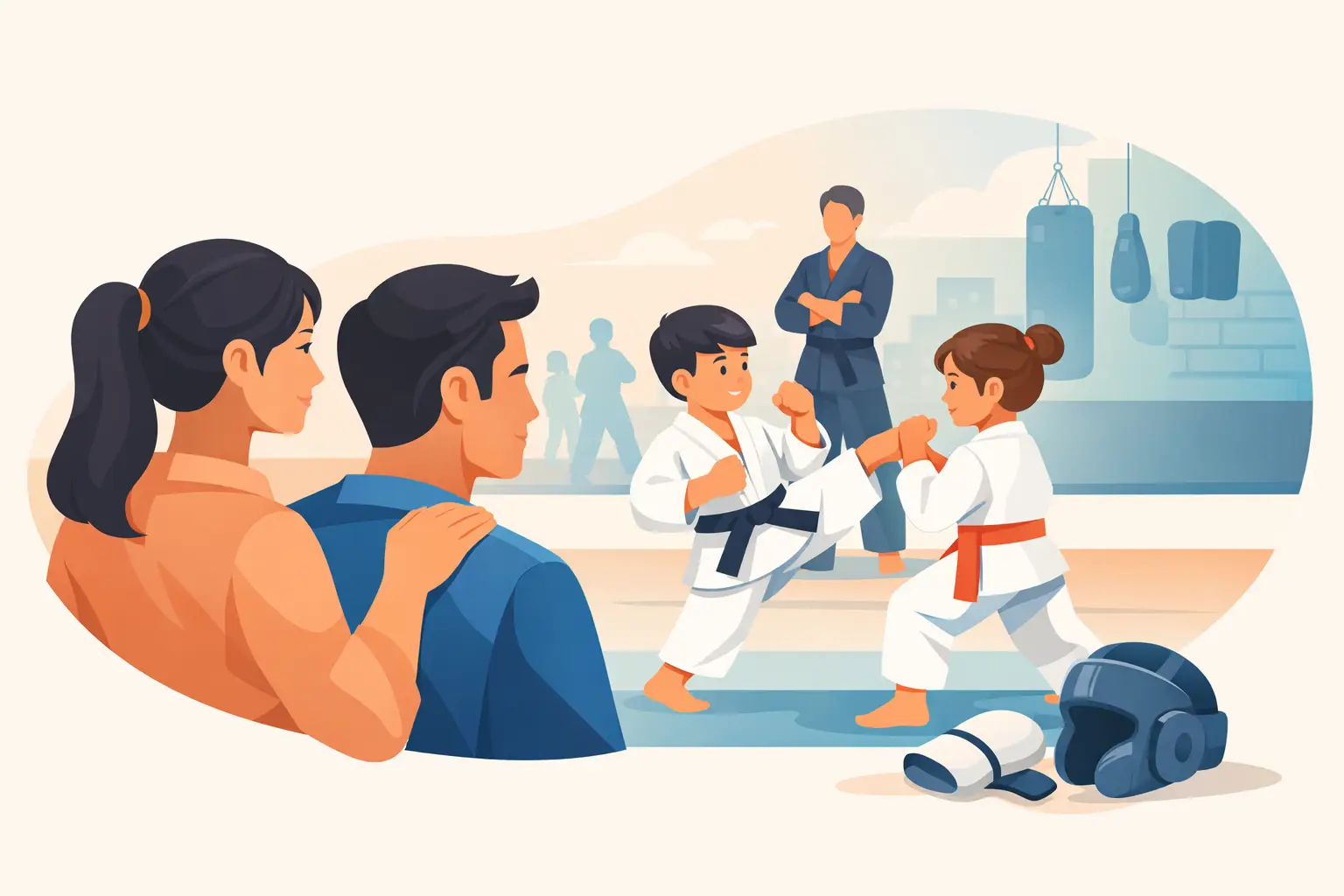
A Parent’s Guide to Youth Martial Arts Classes
A child who struggles to sit still in class may need an outlet with structure. A child who hangs back at recess may need a place to practice speaking up. The right guide to youth martial arts starts there: not with flashy kicks or tournament medals, but with the real changes parents want to see at home, at school, and in their child’s confidence.
Martial arts can give children a constructive challenge that screen time and many casual activities cannot. They learn to listen, move with purpose, recover after mistakes, and work toward goals one class at a time. But programs are not all built the same. Choosing well means looking beyond uniforms and belts to find instruction that is safe, age-appropriate, and rooted in character.
What Youth Martial Arts Should Build
A strong youth program develops more than physical skill. Children should leave class feeling capable, respected, and motivated to improve. That outcome comes from consistent expectations, instructors who know how to teach young students, and a culture where effort matters.
Confidence is one of the first changes many parents notice. It is not the loud, showy kind of confidence. It is the steady confidence of a child who knows they can try something difficult, accept correction, and keep going. Earning a new rank gives students visible proof that patient work creates progress.
Focus grows through repetition. Students learn to watch an instructor, follow a sequence, remember details, and wait for the right moment to act. Those habits can support schoolwork, chores, and other activities, especially for children who benefit from clear routines.
Self-control is equally important. Quality martial arts training teaches children that strength comes with responsibility. They practice controlled movement, respect personal space, and learn that martial arts skills are for training and protection, never for showing off or starting conflict.
Choosing the Right Youth Martial Arts Program
The best class for one child may not be the best class for another. A high-energy child may thrive in a program with focused drills and clear boundaries. A shy beginner may need patient encouragement and a smaller, welcoming class environment. Before enrolling, observe how the school teaches rather than judging it only by the style name.
Look for Safety and Real Supervision
Safety should be visible from the first visit. Instructors should organize students by age, size, and experience when needed. They should explain how to partner safely, correct poor technique early, and keep activities appropriate for developing bodies.
A good youth instructor does not use fear, humiliation, or excessive intensity to force discipline. Firm standards are valuable, but children learn best when correction is direct, calm, and tied to a clear next step. Ask how the school handles rough behavior, injuries, missed classes, and conflicts between students. The answers reveal a great deal about its culture.
Ask What the Curriculum Actually Teaches
Some programs focus mainly on striking and forms. Others include throws, grappling, ground defense, or practical self-protection. There is no single perfect curriculum, but children benefit from understanding more than one range of movement as they grow.
A dual-system approach that teaches stand-up skills and controlled ground fighting can give students a broader foundation. They learn balance, distance, coordination, and how to remain calm if a situation changes. For parents, the key is that instruction stays age-appropriate. Younger children do not need adult-level techniques. They need strong basics, safe habits, and confidence in their ability to respond wisely.
Notice How Progress Is Measured
Belts can be meaningful when they represent real learning. A quality program uses rank as a roadmap, not a sales tool. Students should understand what they are working toward, receive useful feedback, and be challenged at a pace that supports long-term growth.
Be cautious if advancement appears automatic regardless of attendance, effort, or skill. At the same time, avoid expecting perfection. Children develop at different speeds. The best schools hold standards while helping each student make progress from their own starting point.
Which Martial Art Is Best for Your Child?
The most useful answer is: it depends on the child and the school. A well-taught program matters more than choosing a style based on a movie, a friend’s recommendation, or a promise of fast results.
Traditional karate can be an excellent fit for children who benefit from structure, stances, forms, striking basics, and clear etiquette. Japanese Goju-ryu Karate, for example, combines strong fundamentals with close-range techniques, breathing, and disciplined practice. It can help students build coordination, focus, and a respect for tradition.
Japanese Jujutsu and wrestling-style training can be valuable for students who enjoy close-contact movement and learning how balance, leverage, and position work. Ground skills also teach children that size is not the only factor in a physical encounter. Calm technique and awareness matter.
Weapons arts such as iaido, kenjutsu, or carefully structured specialty classes may appeal to older students who are ready for greater precision and responsibility. These programs should always place safety, control, and maturity ahead of novelty. A lightsaber class can be a fun entry point for some families, but it should still reinforce the same standards of focus, respect, and controlled movement.
What to Expect During the First Few Months
The beginning of training is usually more challenging than parents expect, and that is a good sign. Children must learn class routines, remember terminology, coordinate unfamiliar movements, and accept correction in front of peers. They may feel awkward at first. That discomfort is part of developing resilience.
In the first month, focus on attendance and attitude rather than perfect technique. Your child is building the habit of showing up. By the second and third months, many students begin to understand the routine, form friendships, and take pride in skills that once felt difficult.
There may also be days when a child says they do not want to attend. Listen for the reason. A temporary slump, nerves about a new skill, or frustration after a tough class can often be worked through with encouragement. A consistent pattern of anxiety, pain, or feeling unsafe deserves immediate conversation with the instructor and, if necessary, a decision to find a better fit.
How Parents Can Support Progress Without Pressure
Your role is not to coach every technique from the sidelines. It is to reinforce the values that make training work. Ask specific questions after class: “What was challenging today?” “Who did you help?” or “What do you want to improve next time?” These questions encourage reflection instead of turning every lesson into a performance review.
Keep expectations simple. Arrive on time, make sure your child has water and the required uniform, and treat class attendance as a commitment. Celebrate effort, not just belts, trophies, or perfect demonstrations. When children learn that progress matters more than instant success, they are more likely to stay with training long enough to gain its real benefits.
It also helps when families model respect for the academy. Speak positively about instructors, follow school policies, and avoid comparing your child’s progress with another student’s. Martial arts is personal development in a group setting. Each student’s path will look different.
A Guide to Youth Martial Arts for Families
For busy families, the right program should feel like more than another appointment on the calendar. It should become a reliable place where children can move, learn, make friends, and practice responsibility. It should also offer a path forward as they grow, from beginner classes to more advanced training and, for many families, opportunities to train together.
At Japanese Martial Arts Academy in Sapulpa, students can build a broad foundation through traditional Japanese systems, practical self-defense training, and classes designed to meet children where they are. The goal is not simply to create stronger athletes. It is to help young people become more focused, respectful, confident, and prepared.
A first class can tell you more than any brochure. Watch how instructors greet beginners, how older students treat younger ones, and how your child responds when the lesson ends. The right training environment gives them a challenge worth returning to, and a community that helps them grow through every stage of the journey.