
Adult Martial Arts Conditioning Guide for Beginners
The first few classes can be humbling in the best possible way. A stance that looks simple can make your legs shake. A short round on the mat can reveal how quickly your breathing changes. That is exactly why an adult martial arts conditioning guide should focus on preparation, not perfection. The goal is to build a body that can learn, move, defend, and recover with confidence.
For adults, conditioning is not about trying to train like a teenager or punish yourself with exhausting workouts. It is about creating dependable strength, usable stamina, better mobility, and the discipline to show up consistently. Whether you are returning to exercise after years away or adding martial arts to an active lifestyle, smart conditioning helps you get more from every class.
What Adult Martial Arts Conditioning Should Build
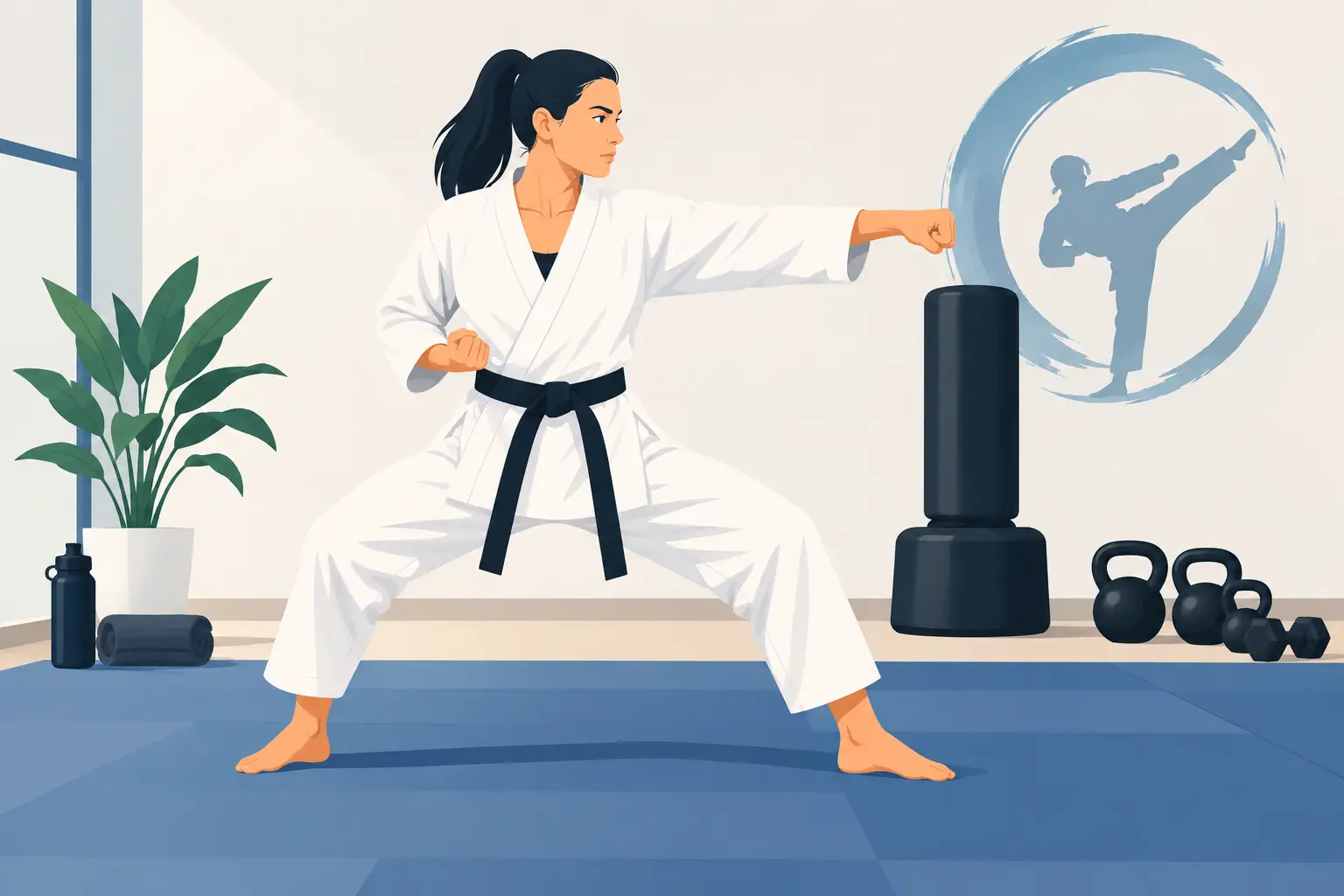
Martial arts ask more of the body than a standard gym routine. You may need to hold a low karate stance, move laterally to avoid a strike, control a partner during Japanese Jujutsu practice, get up safely from the ground, or stay composed while your heart rate rises. Conditioning should prepare you for those demands without taking so much out of you that you cannot train well.
Start with four priorities: strength, cardiovascular endurance, mobility, and recovery. Strength gives your posture stability and helps protect joints during striking, grappling, and falls. Endurance lets you stay alert late in class instead of losing form when tired. Mobility allows hips, ankles, shoulders, and spine to move through the positions martial arts require. Recovery keeps soreness and small aches from becoming reasons to miss training.
The balance matters. Someone who only runs may have good stamina but struggle with strong stances or controlled floor movement. Someone who only lifts heavy may be powerful but stiff through the hips and shoulders. Martial arts conditioning develops a more complete athlete – one prepared to move with purpose under pressure.
Start at the Level You Have Today
A common beginner mistake is trying to make up for lost time in the first two weeks. Hard workouts every day can lead to excessive soreness, strained joints, and burnout before martial arts becomes a habit. Consistency beats heroic effort.
If you are new to regular exercise, begin with two martial arts classes each week and two short conditioning sessions. Keep those sessions to 20 to 30 minutes. After three or four weeks, assess how your body is responding. If you are sleeping well, recovering between sessions, and still eager to train, add time or intensity gradually.
Adults with old knee, back, shoulder, or ankle injuries should not ignore pain to prove toughness. There is a difference between normal training discomfort and sharp, increasing, or unstable pain. Speak with a qualified medical professional when needed, and tell your instructor about relevant limitations. A skilled instructor can often offer a safer variation while you build capacity.
Build Strength for Stances, Strikes, and Ground Skills
Martial arts strength is controlled strength. You need to generate force, absorb force, stabilize your body, and maintain posture while moving. You do not need a complicated weight room plan to begin.
Focus on fundamental movements two times per week. Squats or chair sit-to-stands strengthen the legs for stances and level changes. Push-ups, performed against a wall, bench, or floor as appropriate, build pressing strength for strikes and frames. Rows with a resistance band or cable support shoulder balance and pulling control. Hip hinges, such as light deadlifts or glute bridges, develop the hips and posterior chain that power athletic movement.
Add carries when possible. Holding moderate dumbbells, kettlebells, or even loaded bags while walking with tall posture trains grip, core stability, and the ability to stay composed under load. That has practical carryover to grappling, wrestling, and daily life.
Use a weight or variation that allows clean technique. Two or three sets of six to 12 controlled repetitions are enough for most beginners. The last few repetitions should feel challenging, but your posture should not collapse. Strength grows between sessions, so leave room for recovery.
Train Your Core to Resist Movement
Many people picture endless sit-ups when they hear core training. For martial arts, the better goal is resisting unwanted movement while transferring power through the torso. Planks, side planks, dead bugs, and slow bear-crawl variations teach the trunk to stay organized while the arms and legs work.
Begin with short, high-quality sets. A 20-second plank with steady breathing is more valuable than a 90-second struggle with a sagging lower back. As control improves, increase time, add movement, or use more demanding variations.
Improve Stamina Without Losing Technique
Martial arts endurance is rarely a long, slow effort. Class often moves in rounds: a burst of footwork, combinations, drills with a partner, then a short rest before going again. Your conditioning should include steady aerobic work and intervals.
Steady work can be brisk walking, cycling, rowing, swimming, or easy jogging for 20 to 40 minutes. You should be able to speak in short sentences. This builds a foundation that improves recovery between rounds and helps you handle longer classes.
Once that foundation is comfortable, add one interval session weekly. For example, work for 30 seconds and recover for 60 to 90 seconds. Choose movements you can perform safely with good form, such as fast walking uphill, cycling, shadowboxing, step-ups, or a light bag drill. Repeat for six to 10 rounds.
Shadowboxing deserves special attention because it builds movement awareness without the impact of sparring. Keep your hands up, move lightly, practice simple combinations, and avoid throwing every strike at maximum speed. Quality footwork and breathing matter more than looking dramatic. If your shoulders tighten and your technique unravels, slow down.
Mobility Is a Training Requirement, Not an Afterthought
You do not need extreme flexibility to begin martial arts. You do need enough range of motion to use sound mechanics. Stiff ankles can limit stance depth. Tight hips can make kicking and ground movement harder. Restricted shoulders can affect blocking, striking, and safe falling practice.
Spend five to 10 minutes before class warming up dynamically. Use gentle leg swings, arm circles, hip circles, bodyweight squats, and controlled lunges. The purpose is to prepare joints and raise body temperature, not force a stretch.
After training, use slower mobility work for the areas that feel restricted. Calves, hip flexors, hamstrings, glutes, chest, and upper back are common priorities for adults. Breathe normally and avoid forcing painful positions. Mobility improves through frequent, patient practice, especially when paired with strength through the range you are trying to improve.
A Simple Week That Supports Class Training
The best schedule depends on your work demands, family commitments, age, training experience, and recovery. Still, a simple weekly pattern can keep conditioning from competing with your martial arts progress:
- Attend two martial arts classes focused on learning technique and building confidence.
- Complete two full-body strength sessions on nonconsecutive days.
- Include one steady cardio session and one short interval session, adjusting intensity when class training is demanding.
- Reserve at least one day for full rest, easy walking, or light mobility.
If you train hard in a grappling or wrestling class, you may not need a separate interval workout that week. If your classes are mostly technical, a bit more cardio may help. Let your sleep quality, soreness, mood, and class performance guide adjustments. Feeling tired after training is normal. Feeling run down every day is a sign to reduce volume, improve sleep, or fuel yourself better.
Fuel Recovery Like It Matters
Adults often train after work, between family responsibilities, or early in the morning. That makes basic recovery habits especially valuable. Drink water throughout the day, eat regular meals with protein, include fruits and vegetables, and choose carbohydrates that support training energy. A banana and yogurt, a turkey sandwich, or a simple rice-and-chicken meal can be more useful before or after class than skipping food and hoping willpower carries you through.
Sleep is also part of conditioning. You learn martial arts through repetition, attention, and coordination. A tired brain learns more slowly, and a tired body is more likely to use poor mechanics. Protecting your sleep is not a lack of discipline. It is disciplined training.
The Best Conditioning Plan Is One You Can Repeat
Your adult martial arts conditioning guide should never become a barrier to stepping onto the mat. The real victory is arriving prepared enough to learn, challenge yourself safely, and return next week stronger than before.
At Japanese Martial Arts Academy, adult students do not need to arrive in peak condition to begin. They need the willingness to train with focus, accept coaching, and build progress one class at a time. Start where you are, honor the work, and let disciplined training change what you believe your body can do.