
What Age Can Children Wrestle? Parent Guide
A child does not need to be big, strong, or naturally athletic to begin wrestling. Parents asking what age can children wrestle are usually looking for the same thing: a safe starting point that builds confidence without putting too much pressure on a young child. For most children, that starting point can come earlier than many families expect – provided the program is designed for their stage of development.
What Age Can Children Wrestle Safely?
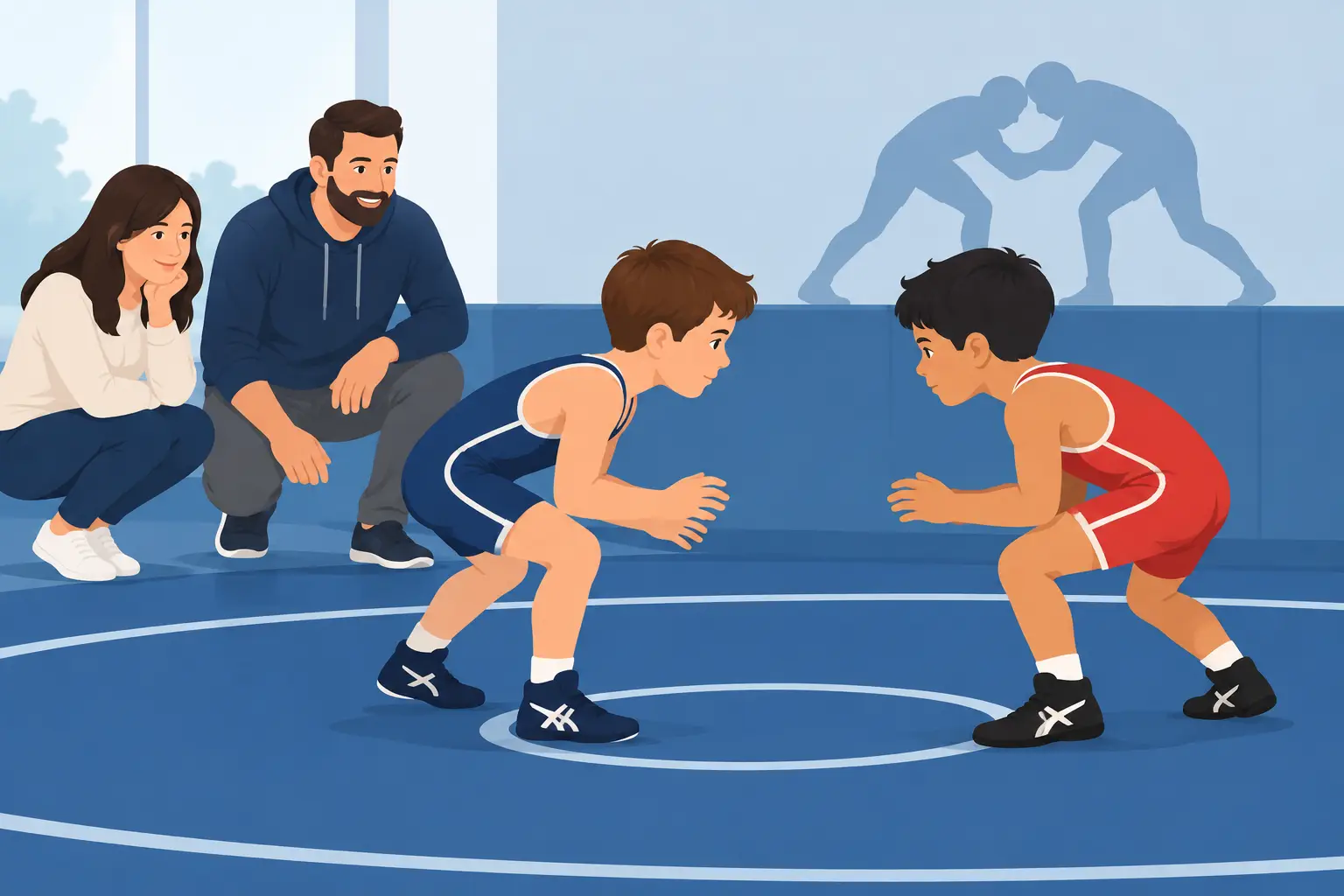
Many wrestling programs welcome children around ages 4 to 6. At this age, the goal is not to create a competitive athlete overnight. It is to teach body awareness, listening skills, balance, movement, and respectful physical contact in a structured environment.
Some children are ready at 4, while others will benefit from waiting until 5, 6, or later. Age is a helpful guideline, but readiness matters more. A young student who can follow simple directions, participate in a group, and handle brief moments of correction is often ready to try a beginner class.
For elementary-age children, wrestling can become more technical. They can begin learning controlled takedowns, escapes, pins, stance, and basic strategy. By middle school and high school, students may choose to pursue school wrestling, local competition, conditioning goals, or self-defense-focused grappling training.
The right answer depends on the child and the quality of instruction. A well-run youth class meets beginners where they are, rather than expecting every child to train like an older competitor.
Readiness Matters More Than a Birthday
Parents sometimes worry that their child is too energetic, shy, small, or inexperienced for wrestling. Those traits do not automatically mean they should wait. In fact, the right class can help children channel high energy, grow comfortable around peers, and develop confidence through steady progress.
A child may be ready to begin if they can separate from a parent for class, follow a coach’s safety rules, take turns, and recover after a small frustration. They do not need perfect focus. Learning focus is one of the reasons families choose martial arts and wrestling in the first place.
On the other hand, a child who is having a difficult time with group settings, physical boundaries, or emotional regulation may need a more gradual introduction. That does not mean wrestling is off the table. It means the instructor should know what support the student needs, and the parent should choose a program that treats early training as skill-building rather than a test.
What Young Children Learn in Wrestling
Good youth wrestling looks very different from an intense high school match. Beginner classes should use age-appropriate drills, games, and partner activities to teach fundamental movement before adding more advanced technique.
Children learn how to move their feet, change levels, maintain balance, and fall safely. They practice using their hands and bodies with control instead of pushing, grabbing, or roughhousing without purpose. They also learn to respect personal space, respond immediately to a coach’s command, and treat teammates as training partners rather than opponents.
That structure gives wrestling value beyond the mat. A child who learns to stay calm during a difficult drill is practicing self-control. A child who gets taken down, stands back up, and tries again is building resilience. A child who trains with many different partners is learning cooperation, respect, and social confidence.
Wrestling also gives screen-heavy routines a healthy interruption. It challenges the entire body while requiring the mind to stay present. Students cannot scroll through a takedown drill. They have to pay attention, make decisions, and move with purpose.
Safety Is Built Into the Right Program
Wrestling is a contact activity, so parents are right to ask about safety. The answer is not to avoid all physical challenge. It is to choose a program where safety, control, and proper progression come first.
A qualified instructor teaches technique before intensity. Young students should learn how to land, how to use safe body position, how to stop when instructed, and how to work with a partner who may be stronger or more experienced. Coaches should closely supervise drills and pair children thoughtfully by size, maturity, and ability whenever possible.
The training environment matters just as much. Clean mats, clear class rules, attentive coaching, and a culture of respect are not extras. They are the foundation of a safe youth program. A child should never be pressured to continue through pain, ignore a coach’s stop command, or use techniques that have not been taught and supervised.
Parents should also understand the difference between healthy challenge and unnecessary pressure. Wrestling can be demanding. Students may feel tired, frustrated, or nervous while learning a new skill. That is normal. But a quality coach helps them work through those moments with encouragement and clear instruction, not embarrassment or fear.
Competition Can Wait Until the Child Is Ready
Starting wrestling does not require a child to compete. This is one of the most useful distinctions for parents. Recreational wrestling classes can provide fitness, confidence, coordination, and discipline without the demands of tournaments or a win-loss record.
Some children love competition early. They enjoy testing their skills, meeting students from other teams, and working toward a goal. Others need more time to build comfort and technical ability. Both paths are valid.
Competition readiness depends on more than age. A child should understand basic rules, demonstrate safe behavior, manage disappointment reasonably well, and want to participate. The desire should come from the student, not from pressure to keep up with a sibling, friend, or parent expectation.
When competition does become a goal, families should look for coaches who define success broadly. Winning is rewarding, but it is not the only sign of progress. Showing better effort, using a new technique, staying composed, and returning after a tough match are all meaningful victories.
Wrestling and Martial Arts: A Stronger Foundation Together
Wrestling develops powerful ground-fighting skills: balance, control, pressure, escapes, conditioning, and the ability to stay calm in close contact. Martial arts training adds another layer through disciplined movement, self-control, awareness, and stand-up skills.
For children, this combination can be especially valuable. They learn that self-defense is not about starting fights or proving toughness. It is about confidence, judgment, and having the ability to protect themselves when needed. A student who understands both standing distance and what to do if a situation goes to the ground has a more complete foundation than a student trained in only one range.
At Japanese Martial Arts Academy, families can explore wrestling as part of a broader path that includes traditional Japanese martial arts and practical self-defense. That variety allows children to find the training style that motivates them while building skills that support them on and off the mat.
How Parents Can Help a New Wrestler Succeed
The best support is steady and simple. Make sure your child arrives rested, hydrated, and dressed according to class requirements. Ask about their experience after class, but do not turn every car ride home into a performance review.
Praise effort more than outcomes. Instead of asking whether they won a drill, ask what they practiced, what felt challenging, or what they want to improve next time. This teaches children that progress comes from disciplined training, not from being perfect on day one.
Consistency makes a major difference. A child who attends regularly has time to become comfortable with the class routine, instructors, and teammates. The first few classes can feel unfamiliar, especially for shy students. Give them enough time to settle in before deciding whether wrestling is the right fit.
The Best Time to Start Is When They Can Learn Safely
For many children, ages 4 to 6 are a strong time to begin introductory wrestling. For others, the best starting point may be a little later. The real priority is finding instruction that matches the child’s maturity, protects their safety, and gives them room to grow.
A good wrestling class does more than teach takedowns. It gives children a place to practice courage, discipline, respect, and recovery after setbacks. Those are lessons that stay with them long after they leave the mat.