
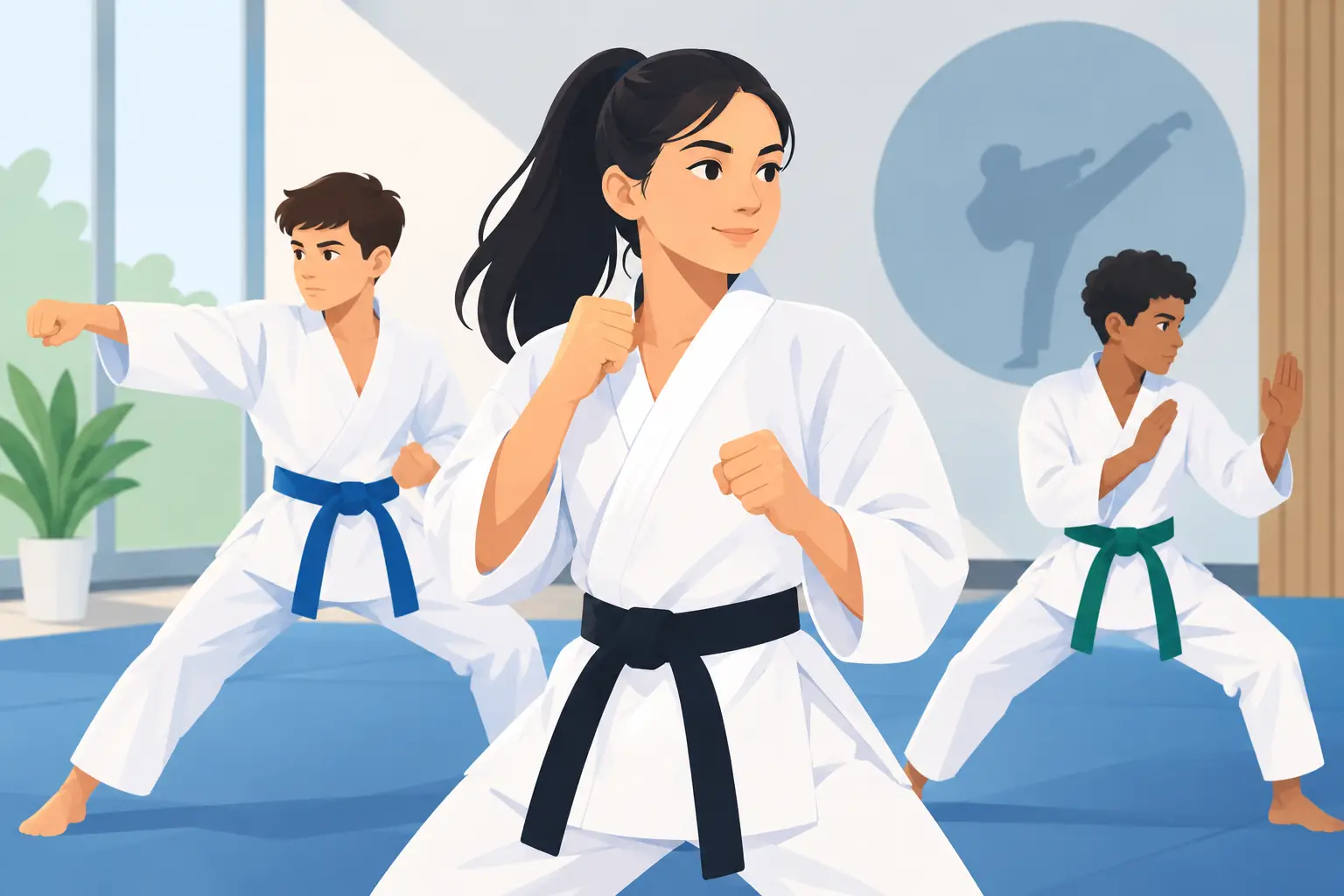
Teen Martial Arts Starter Guide for Strong Beginnings
A teen’s first martial arts class can reveal more than whether they can throw a punch or memorize a form. It can show them that effort changes their ability, that calm beats panic, and that they can belong in a room where progress is earned. This teen martial arts starter guide helps Sapulpa-area families make that first step with clear expectations and confidence.
Martial arts is not a shortcut to confidence. It is a disciplined process that gives teens repeated chances to stand taller, recover from mistakes, and build skills they can trust. The right program should feel challenging, safe, and welcoming from the first class onward.
Start With the Goal, Not the Uniform
Teens begin training for different reasons. One may want practical self-defense after an uncomfortable situation at school. Another may need a physical outlet after too much time sitting behind a screen. Some want a competitive challenge, while others simply want a place to meet focused, respectful peers.
Talk with your teen before choosing a class. Ask what they hope will change after a few months of training. They may say they want to get stronger, make friends, feel less nervous, or learn how to protect themselves. Every answer is useful. It helps an instructor guide their early training and helps your family recognize progress that goes beyond belt color.
A strong program can support several goals at once. Traditional striking develops coordination, distance, and control. Grappling and ground-fighting skills teach balance, leverage, and how to stay composed under pressure. Training also builds fitness, but the lasting benefit is often the habit of showing up, listening closely, and working through difficult moments.
What a Quality Teen Martial Arts Class Looks Like
A beginner does not need to arrive athletic, flexible, or experienced. They do need an environment with clear standards. Look for instructors who explain techniques in a way teens can understand, correct students without humiliating them, and make safety part of every lesson.
Good instruction has structure. Students warm up, practice movement and technique, work with partners under supervision, and finish with a clear sense of what they learned. Beginners should not be thrown into hard contact before they understand stance, balance, control, and how to protect a training partner.
The best schools also teach respect as a practical skill, not a speech on the wall. Teens learn to follow directions, manage frustration, handle physical contact responsibly, and treat classmates as training partners rather than opponents. Those standards matter just as much in the parking lot, classroom, and home as they do on the mat.
Look for both stand-up and ground skills
Real-life self-defense is unpredictable. A teen may need to create distance, escape a grab, stay on their feet, or safely respond if a situation goes to the ground. Training in more than one range gives students a broader foundation than a program focused on only kicks or only conditioning.
That does not mean every teenager needs to train every martial art at once. Starting with a structured core class is usually best. As confidence grows, students can explore disciplines that match their interests, whether that is karate, Japanese jujutsu, wrestling, iaido, kenjutsu, or another specialty.
Pay attention to the culture
Watch how experienced students treat newcomers. Are they patient? Do instructors know students by name? Is there a healthy balance of seriousness, encouragement, and accountability? A teen is more likely to stay consistent when they feel supported without being coddled.
For parents, culture also means communication. You should understand the class schedule, safety expectations, progression system, and what your teen needs to practice between sessions. A quality academy welcomes those questions because family support strengthens student success.
How to Prepare for the First Class
The first visit does not require a black belt mindset. It requires an open mind and a few simple preparations. Have your teen arrive a few minutes early in comfortable athletic clothing, with water and a willingness to listen. Remove jewelry, tie back long hair, and let the instructor know about any injuries, physical limitations, or concerns.
Most importantly, tell your teen they are not expected to be good on day one. Every advanced student was once the person trying to remember which foot goes forward. Beginners improve faster when they can laugh at a missed step, ask a question, and try again instead of worrying about looking perfect.
Parents can help by avoiding pressure after class. Rather than asking, “Were you the best?” try, “What was one thing you learned?” or “What felt challenging?” These questions reinforce growth and help teens connect training with their own effort.
The First 90 Days: What Progress Really Looks Like
Early progress rarely looks dramatic. It may be a teen remembering to keep their hands up, completing a warmup without stopping, or speaking louder when responding to an instructor. These are real wins. Consistency turns them into confidence.
During the first month, expect unfamiliar movements, sore muscles, and plenty of correction. That is normal. Martial arts develops body awareness, and it takes time for a stance, fall, block, escape, or throw to feel natural. Two or three steady classes each week will usually build more progress than an intense burst followed by several missed weeks.
By the second and third months, many teens begin to move with more purpose. They recognize class routines, form friendships, and see that discipline produces visible results. They may also encounter frustration when techniques become more detailed. This is a valuable stage. Learning to stay respectful and persistent when something is hard is one of martial arts’ strongest lessons.
Belts matter, but habits matter more
Rank gives students a clear path and a reason to celebrate progress. It can be motivating, especially for teens who want measurable goals. But a belt should represent skills, knowledge, effort, and character, not just attendance.
Encourage your teen to value the habits behind advancement: arriving prepared, practicing with focus, controlling their emotions, and helping newer students once they gain experience. Those habits follow them long after a testing day.
Common Concerns Parents and Teens Have
Some parents worry that martial arts will make their teen aggressive. Quality instruction does the opposite. Students practice control, restraint, awareness, and respect for boundaries. They learn that physical skills carry responsibility and that the smartest self-defense choice is often creating distance, getting help, and avoiding unnecessary conflict.
Other teens worry they will be embarrassed because they are out of shape or have no experience. A beginner-friendly class is designed for that starting point. Fitness improves through training, not before it. The only expectation is a sincere effort.
Cost and scheduling can also affect the decision. Be direct about what your family can sustain. A school with a schedule your teen can attend consistently is often a better fit than a more complicated plan that creates stress. Ask about introductory options so your teen can experience the class environment before making a longer commitment.
Choosing a Place Where Teens Can Grow
The right academy gives a teenager more than an activity after school. It gives them a disciplined community, trusted instruction, and a place to build confidence through action. At Japanese Martial Arts Academy, students can develop stand-up and ground-fighting ability while training within a tradition shaped by more than 50 years of Japanese martial arts expertise.
The goal is not to turn every teen into a fighter. The goal is to help them become more capable: physically stronger, mentally steadier, and better prepared to meet pressure with control. If your teen is ready for a challenge that builds lasting confidence, let their first class be the start of a habit they can carry for years.