
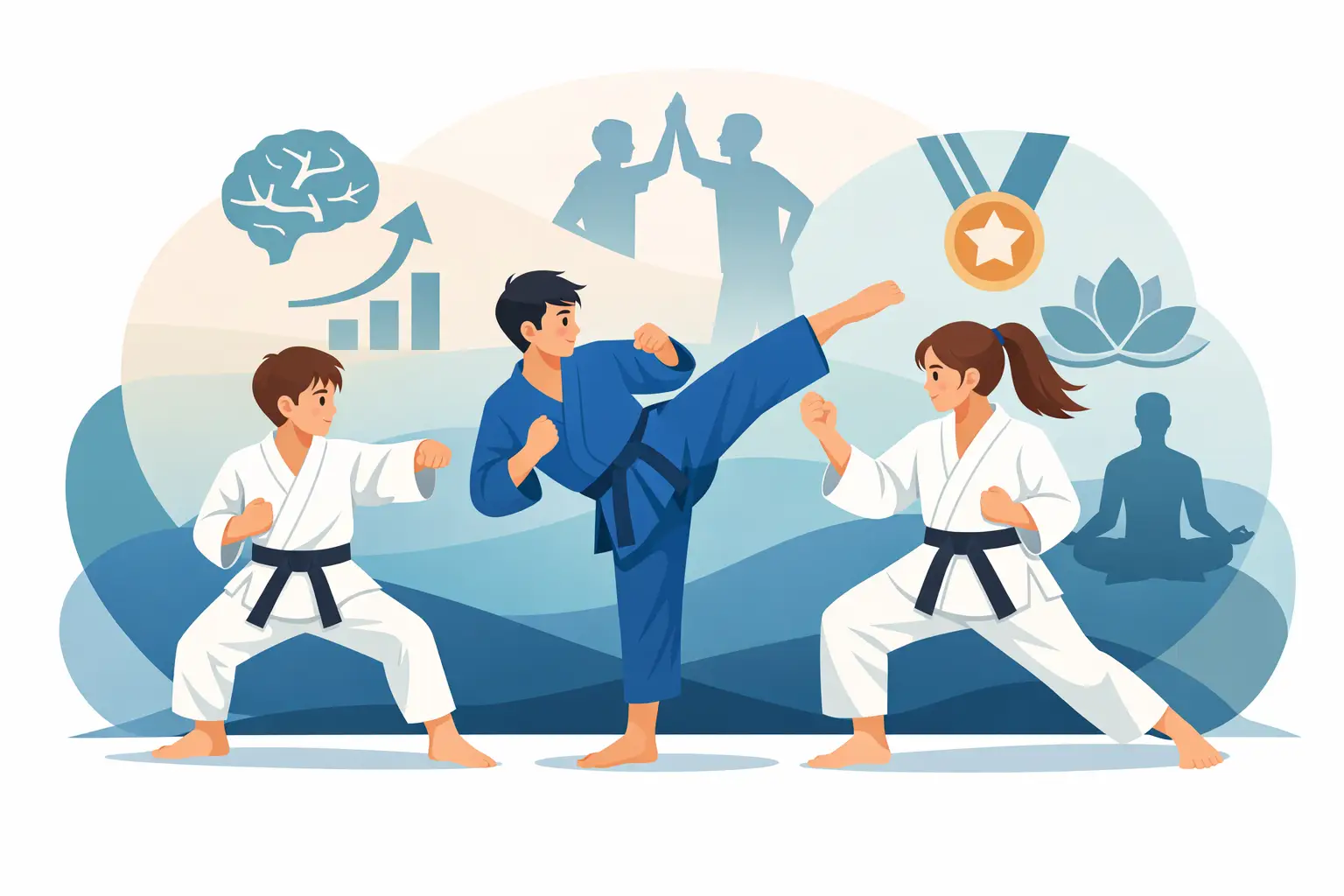
Teens Martial Arts Benefits That Last
A teenager who stands taller, speaks more clearly, and handles pressure with more control rarely gets there by accident. Those changes usually come from structure, challenge, and consistent practice. That is why teens martial arts benefits go far beyond learning punches, kicks, or takedowns. For many families, training becomes one of the most practical ways to build confidence, discipline, fitness, and real-world awareness at the same time.
Teen years are full of pressure. School demands increase, social dynamics shift fast, and screen-heavy routines can leave teens mentally drained and physically inactive. Parents often want an activity that does more than fill an afternoon. They want something that helps their teen mature, stay active, and develop skills that carry into daily life. Martial arts does that when the instruction is structured, age-appropriate, and focused on both character and capability.
Why teens martial arts benefits reach beyond the mat
A good martial arts program gives teens something many activities do not – personal accountability. In team sports, it is possible to blend into the group. In martial arts, progress is personal. A student learns quickly that effort matters, attitude matters, and consistency matters. That kind of training can be especially valuable during adolescence, when teens are still shaping how they respond to setbacks, correction, and responsibility.
The physical side is only part of the picture. Yes, training improves coordination, endurance, balance, and strength. But the deeper value often shows up outside class. Teens begin managing frustration better. They learn how to listen under pressure, respect instruction, and keep working when something feels difficult. Those habits do not stay in the dojo. They show up in the classroom, at home, and in social situations.
There is also a difference between being active and being purposefully trained. Martial arts is not random exercise. It asks students to think, react, control their bodies, and apply technique with discipline. That blend of physical and mental effort helps teens stay engaged in a way that traditional workouts often do not.
Confidence that is earned, not borrowed
Many parents say they want their teen to be more confident, but confidence is hard to build through encouragement alone. Teens usually gain real confidence when they do difficult things and see measurable progress. Martial arts creates that process naturally.
A student might begin class quiet, hesitant, or unsure of their athletic ability. Over time, they learn a stance, a combination, a throw, or a defensive movement that once felt impossible. They improve because they practiced, listened, and stayed with it. That matters. Confidence built through repetition and achievement tends to be more stable than confidence based on praise alone.
This is especially important for teens who are not drawn to traditional sports. Martial arts gives them an individual path forward. They do not have to be the fastest or strongest in the room to succeed. They need willingness, consistency, and coachability. For many teenagers, that is a much better foundation for long-term growth.
Discipline and self-control in real situations
One of the strongest teens martial arts benefits is improved self-control. That may sound simple, but for parents it often makes a real difference at home and in school. Martial arts teaches students to follow instruction, wait their turn, stay composed, and use techniques responsibly. Those expectations are repeated every class until they become part of how a teen carries themselves.
Discipline in martial arts is not about being harsh. It is about standards. Students bow in, pay attention, respect training partners, and stay focused on the task in front of them. That steady routine helps teens develop a stronger sense of accountability. They learn that actions have consequences, details matter, and progress comes from doing the work.
For some teens, this structure is a major positive shift. They may struggle with focus, react quickly when frustrated, or lose motivation when things get hard. A strong martial arts environment gives them a place to practice control in motion. It is one thing to talk about patience. It is another thing to train it repeatedly under supervision.
Fitness that feels purposeful
Teenagers need movement, but not every teen wants a standard gym routine. Martial arts training offers a more engaging way to build fitness because every drill has a purpose. Footwork develops agility. Striking combinations improve coordination and endurance. Grappling and ground work build strength, body control, and resilience.
This kind of training can help counter the effects of long school days and too much screen time. Teens move in multiple directions, use their whole bodies, and challenge both their cardiovascular system and muscular endurance. Over time, many students improve posture, stamina, flexibility, and overall athleticism.
There is also a practical advantage to variety. Programs that include both stand-up techniques and ground fighting give teens a broader physical education than single-focus training. That matters for self-defense, but it also matters for keeping students interested. Some teens naturally enjoy striking more. Others respond better to wrestling, grappling, or technical weapons-based disciplines. A broader academy environment can help families find the right fit instead of forcing every student into one narrow style.
Real self-defense starts with awareness and judgment
Parents often ask whether martial arts will help their teen protect themselves. The answer is yes, but the best programs teach self-defense with maturity. Real self-defense is not about encouraging aggression. It starts with awareness, boundaries, posture, and decision-making.
Teens should learn how to recognize unsafe behavior, avoid unnecessary conflict, and respond with control if a situation becomes physical. Martial arts training can help them stay calmer under pressure, which is often more important than any single technique. Panic makes people freeze. Training helps students think.
Physical skills do matter too. Knowing how to manage distance, escape holds, maintain balance, or defend from standing and ground positions gives teens practical tools. Still, responsible instruction always emphasizes when not to fight, how to de-escalate, and why self-defense should be used only when truly necessary.
That balance is important for parents. You want your teen to be capable, not reckless. Strong martial arts instruction supports both.
Social growth without the usual pressure
Teenagers need healthy peer interaction, but not every social setting is healthy. Martial arts classes create a different kind of environment. Students train alongside others, work with partners, and learn to respect people at different skill levels. The culture tends to reward effort, humility, and perseverance rather than image.
That can be a major benefit for teens who feel out of place in other activities. They are part of a group, but still responsible for their own progress. They build friendships through shared work instead of social performance. Over time, many become more comfortable speaking up, partnering with others, and handling feedback.
In a family-centered academy, this community aspect becomes even stronger. Teens are surrounded by instructors and classmates who value growth, respect, and consistency. At Japanese Martial Arts Academy, that supportive structure is paired with traditional systems and practical training, which gives students both guidance and a clear path to improve.
What parents should look for in a teen program
Not every martial arts school delivers the same results. The benefits depend heavily on instruction, culture, and program design. Parents should look for a school that teaches with structure, maintains high standards, and works well with beginners as well as motivated students.
A good teen program should challenge students without overwhelming them. It should include clear expectations, safe coaching, and a curriculum that builds skill step by step. If self-defense is part of the promise, the training should go beyond flashy moves and include realistic fundamentals. If character development is a priority, you should see it reinforced in how classes are run, not just mentioned in marketing.
It also helps to find a program with depth. Traditional martial arts values still matter, but teens often respond best when training feels practical and progressive. Schools that combine discipline, physical conditioning, stand-up skills, and ground work often give students a more complete experience.
Some teens want confidence. Some need focus. Some simply need a better outlet. The right program meets them where they are and gives them room to grow.
Martial arts will not change a teen overnight, and it is not a magic fix for every challenge. But with strong instruction and steady attendance, it can become one of the most valuable things a young person does each week. The goal is not just to raise a better athlete. It is to help shape a stronger, calmer, more capable young adult who knows how to carry themselves with confidence and respect.